The bee’s knees is curing disease: Bee venom as a promising new therapeutic candidate for cancer treatment
November 24, 2026
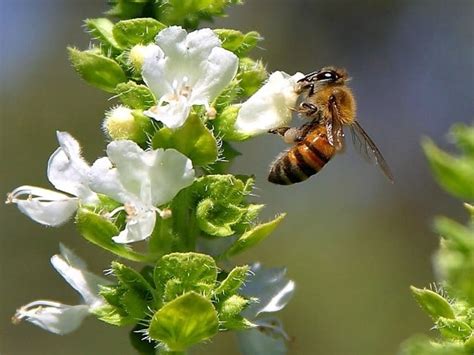
It is a well-known fact that bee stings hurt. It is, however, a lesser-known fact that the substance causing that hurt could be the next cutting-edge therapeutic used to treat cancer.
"There’s reason to hope the humble bee can make an impact on patient care"
The main active component in bee venom is melittin , a peptide that causes cell death. While cell death is undesirable for a healthy individual, in the context of cancer it is welcomed. Cancer is defined by uncontrolled cell division, which leads to tumor formation. Cancer cells also tend to evade apoptosis, the body’s programmed form of cell death that normally eliminates damaged cells. That is where bee venom, with its cell-killing properties, can come in as a possible therapeutic candidate for the treatment of these rapidly dividing cells.
In the lab, melittin has been shown to facilitate cancer cell death via various mechanisms. Melittin damages the cell membrane, causing leaks in the cell until it eventually bursts. It has also been found to facilitate cell death from the inside by promoting apoptosis. By facilitating cancer cell death, melittin has been shown to limit the development and spreading of tumors in various types of cancers.
The pressing problem with injecting raw bee venom into the body is the possibility of impacting healthy cells along with the cancerous ones. A drug that kills everything it touches is no longer a treatment and more of a poison. To address this challenge, many studies are examining mechanisms by which bee venom can be selectively delivered to cancer cells. One such study , conducted by researchers at Al-Azhar University in Egypt, examined a new bee venom delivery format: putting the venom into a pill. This team of researchers packaged bee venom into tiny protective capsules designed to open only when they reached the colon. When tested on prostate cancer cells, the capsules were weaker than raw venom but were still able to kill cancer cells while leaving healthy cells alone. A petri dish cannot replicate the possible impact of such an approach in the human body, but it is a promising start.
This is not the first time scientists have turned venoms into treatments. In fact, snake venom has been the source of various FDA-approved therapeutics. Bee stings may be painful, but they are nothing compared to a snake bite. Several medications prevalent in the world of pharmaceutics such as Captopril, Eptifibatide, and Tirofiban are derived from highly venomous snakes. Imagine: pit viper venom treating heart failure, rattlesnake venom preventing blood clots, and saw-scaled viper decreasing the chances of a heart attack. Well, you don’t have to imagine, it’s real.
"One small sting for bee, one giant leap for humankind"
If snake venom can protect hearts, there’s reason to hope the humble bee can make an impact on patient care. It could be one small sting for bee, one giant leap for humankind.